SEO Watch: ChatGPT Atlas Puts “AI Search” Inside the Browser
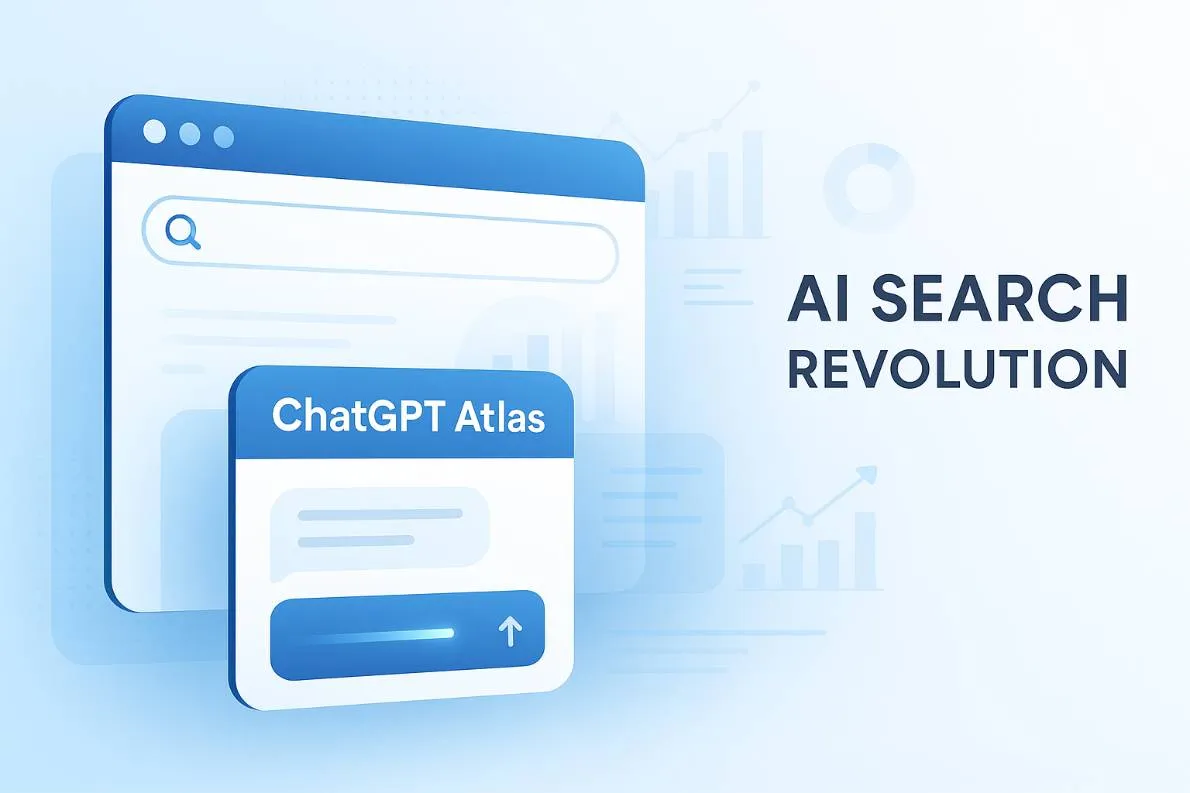
OpenAI’s ChatGPT Atlas just turned the browser into a search-and-answer machine — and SEOs have a new referrer to watch. The macOS app ships with a ChatGPT sidebar, conversational search, and an optional Agent Mode for paid tiers. Windows, iOS, and Android are coming soon.
Why SEOs Care (Right Now)
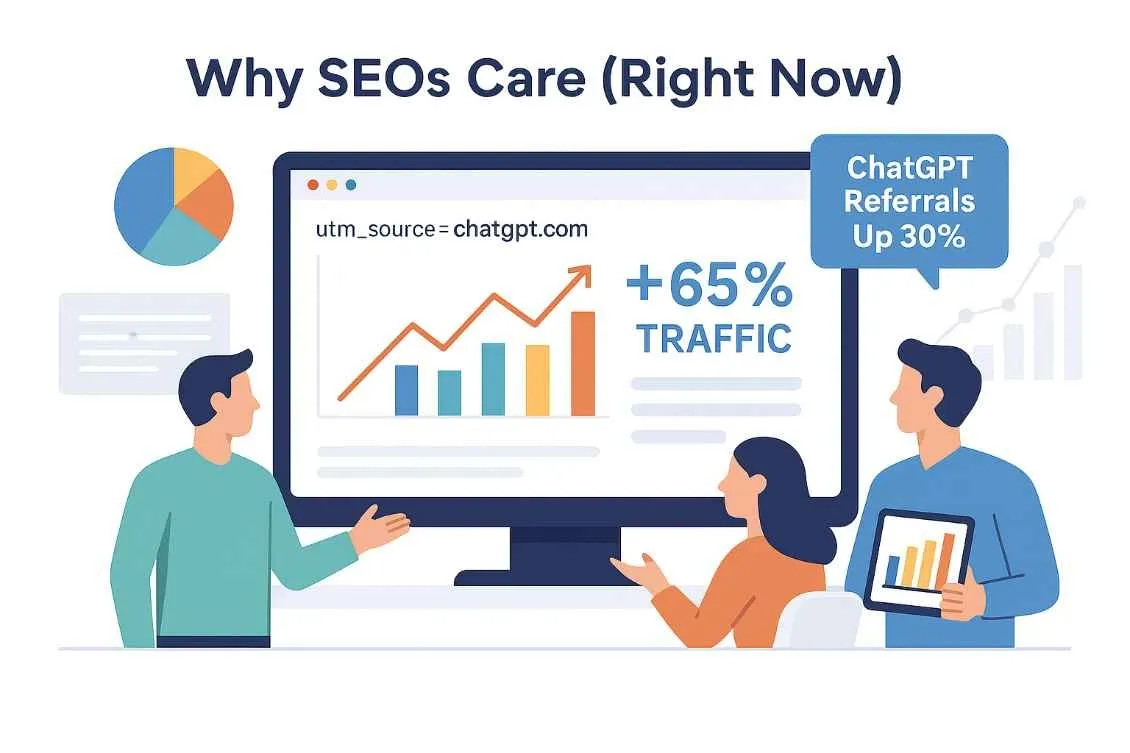
Atlas can drive measurable traffic. OpenAI says links it surfaces include a utm_source=chatgpt.com tag, so GA4 can attribute sessions to ChatGPT or Atlas. Agencies are already spotting that parameter in analytics reports.
OpenAI has its own crawler. If you allow OAI-SearchBot, Atlas can discover and surface your pages. If you block it, Atlas may still show your link and title (sourced through other engines) unless you use noindex.
This is a Google challenge. Atlas directly targets Chrome-era search habits, positioning itself as an all-in-one assistant that merges browsing, search, and action. That shift could impact where discovery — and ad budgets — flow next.
What Changes in Discovery
From “10 blue links” to “chat-first answers.” Atlas keeps users in an ongoing conversation that cites and opens pages inline. That favors content that’s easy to parse, verify, and quote. Early hands-ons show in-page assistance taking priority over traditional SERPs.
Crawler policy becomes a strategy. OpenAI documents how to let Atlas index your site via robots.txt. Many publishers who once blocked OpenAI bots may want to revisit that choice as AI browsers reshape discovery.
How to Get “Atlas-Ready”
Track the referrer. In GA4, segment by source contains chatgpt.com or build a custom channel. Use that UTM signal to measure Atlas-driven traffic.
Let Atlas see and render your content. Allow OAI-SearchBot in your robots.txt if you want AI-search visibility. Use noindex if you prefer to stay hidden.
Ship structured, scannable pages. Keep HTML clean, use schema markup, and ensure consistent rendering so Atlas can pull accurate snippets. Think in terms of Answer Engine Optimization (AEO) instead of traditional ranking.
Publish original insights. Atlas, like other AI-driven engines, rewards authoritative, first-party expertise. Thin or recycled content won’t earn visibility in AI-driven results.
Risk and Governance (Don’t Skip This)
Security researchers recently flagged prompt-injection and jailbreak vulnerabilities in Atlas’s omnibox — potential openings for malicious prompts. Marketers should ensure strong data governance before granting Atlas access to sensitive workflows or accounts.
Quick FAQs for Teams
Is Atlas live?
Yes — it’s currently available on macOS, with other platforms on the way.
Will blocking OpenAI’s bots keep me out of Atlas?
Blocking OAI-SearchBot reduces your chances of being cited, but Atlas may still display your link and title through third-party data unless you use noindex.
How fast could buyer behavior shift?
With OpenAI’s scale, Atlas could quickly reshape how people search and click. Watch your assisted conversions, referral traffic, and brand mentions as conversational browsing gains traction.
Bottom line: Atlas moves search upstream — into the browsing experience itself. SEOs who track Atlas traffic, allow OAI-SearchBot, and deliver structured, expert content will appear more often in chat-first answers and capture early demand while competition is still light.