How SEO Tools Drive Growth and Transform Your Business Online

Search engine optimisation (SEO) is no longer a nice-to-have—it is the lifeblood of sustainable online growth. Yet staying on top of ever-shifting algorithms, technical hurdles and competitive landscapes can feel overwhelming. The right SEO tools transform that challenge into a structured, data-driven process, allowing you to enhance visibility, attract qualified traffic and convert visitors into loyal customers. This guide unpacks the most important types of SEO tools, how to combine free and paid options, and the best practices that keep your rankings climbing.
Why Modern Businesses Can’t Ignore SEO Tools
Organic search drives more than half of all website visits, so the stakes could not be higher. Without a clear view of keywords, site health and competitor activity, you risk leaving valuable revenue on the table. SEO tools give you:
• Clarity: They turn raw search data into actionable insights—pinpointing the exact queries and pages that matter to your audience.
• Efficiency: Automated audits and reporting highlight issues before they become costly problems, saving hours of manual checking.
• Competitive leverage: With built-in competitor analysis, you can uncover keyword gaps, backlink opportunities and content ideas that help you outmanoeuvre rivals.
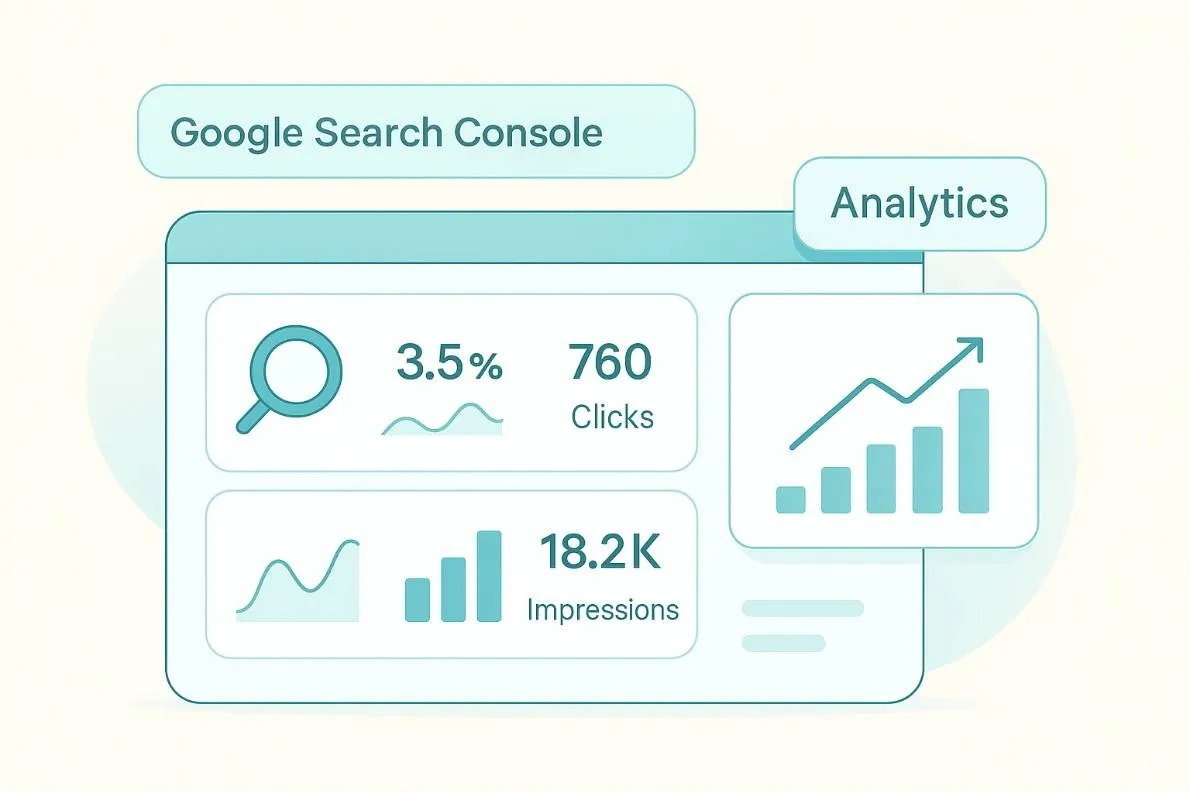
Free dashboards such as Google Search Console alone can reveal indexing errors, mobile usability issues and click-through bottlenecks. Pair that insight with paid or AI-powered systems for deeper dives and you have a balanced strategy tuned for long-term growth.
Getting Started: Free SEO Tools that Deliver Quick Wins
You do not need a hefty budget to make serious progress. Several free SEO tools simplify your learning curve and deliver immediate value:
Google Search Console—Your Technical Watchtower
After a quick verification step, this console tracks clicks, impressions and average positions for every indexed page. You can submit sitemaps, fix crawl errors and discover which search terms actually drive your traffic.
Google Analytics—Behaviour Meets SEO
By linking Search Console and Analytics, you track on-page engagement metrics such as bounce rate and time on page. This reveals whether ranking pages also satisfy user intent—critical for maintaining positions over time.
Ubersuggest—Straightforward Keyword Intelligence
Ideal for finding high-volume, low-competition terms, Ubersuggest shows monthly search estimates, competitive difficulty and content ideas. For time-starved business owners, that is an instant roadmap to new blog topics or product pages.
Schema Mark-up Generators—Snippets that Pop
Free mark-up tools allow you to create structured data snippets, boosting click-through rates with rich results such as star ratings or FAQs.
Small SEO beginnings can yield tremendous returns. For instance, simply rewriting meta titles based on low-competition keywords can lift impression counts within weeks. Make a habit of logging into your free dashboards at least once a week—spot anomalies early, celebrate ranking gains and feed new insights straight back into your content calendar.
Unlocking Growth with Paid SEO Toolkits
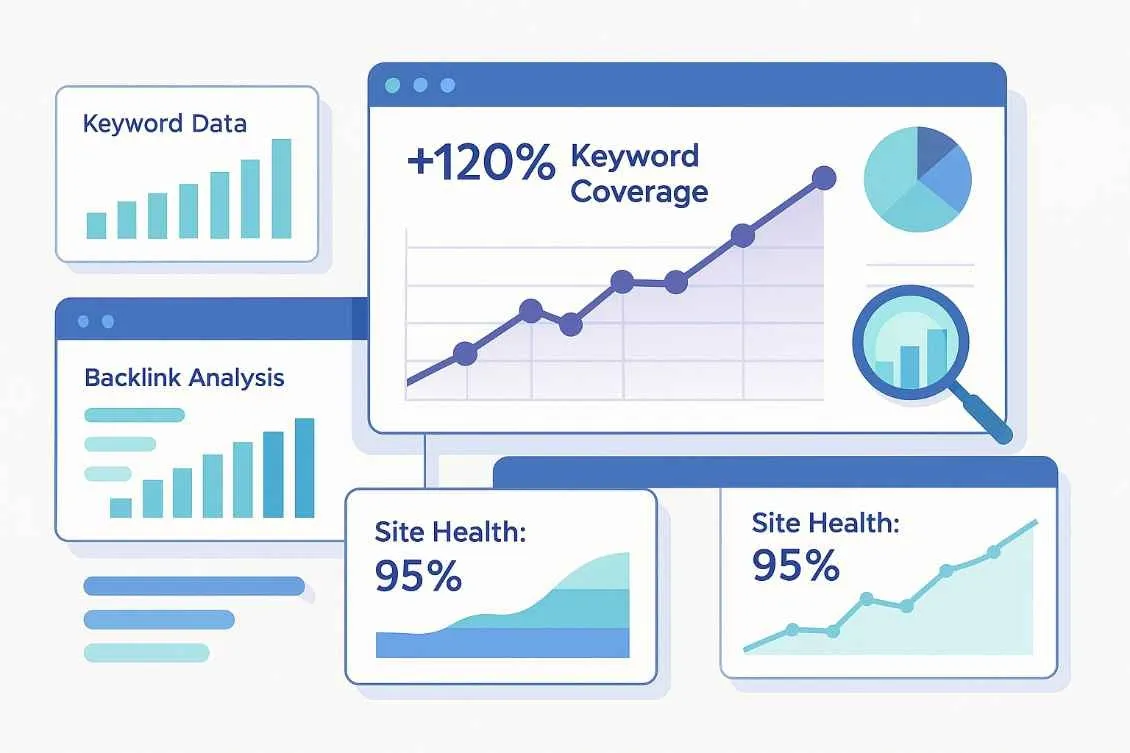
When you are ready to scale, paid SEO tools add muscle to your operation by providing:
Deep Keyword Reservoirs
Premium databases aggregate billions of search queries, revealing trend patterns and semantic clusters free versions cannot reach. Instead of targeting a single keyword, you discover entire topic groups—dramatically increasing ranking potential and topical authority.
Advanced Site Audits
Comprehensive crawlers scan thousands of pages quickly, then prioritise technical fixes by impact and difficulty. You can spot duplicate content, complex redirect chains or sluggish Core Web Vitals all in one dashboard.
Backlink Analysis at Scale
Paid platforms maintain vast link indexes so you can gauge your site’s authority, evaluate anchor-text profile, and identify toxic links before Google does.
Competitive Benchmarks
Side-by-side comparisons of keyword overlap, share of voice and content gaps expose where competitors win traffic—and exactly how you can catch up.
Precise Rank Tracking
Daily or even hourly ranking reports help you gauge the effects of every on-page tweak, outreach campaign or algorithm update.
To squeeze full value from these features:
Define specific objectives—such as moving five revenue pages into the top three positions.
Segment projects—technical clean-up, content optimisation and link building—within the tool so progress is measurable.
Schedule automated reports—delivered straight to your inbox—so you never miss changes that demand fast action.
Platforms such as Rankforge Ai blend many of these capabilities into a single interface, saving you the pain of juggling multiple subscriptions.
The Rise of AI-Powered SEO Tools
Artificial intelligence is reshaping the way we work with SEO tools. Machine learning parses huge datasets in seconds, automating previously labour-intensive tasks:
Smarter Keyword Discovery
AI clusters terms by search intent, competition level and traffic potential—surfacing hidden gems that conventional keyword lists overlook. Instead of sifting through spreadsheets, you get curated topic groups ready for content briefs.
Content Optimisation in Real Time
Paste a draft into an AI assistant and receive instant guidance on ideal word count, header structure, semantic terms and internal linking. Several tools even score readability and predict ranking likelihood.
Predictive Performance Monitoring
Machine learning models flag anomalies—such as sudden traffic dips—before they snowball. You receive alerts and recommended fixes, reducing risk of prolonged ranking losses.
Scalability Without the Overhead
Automating technical checks, meta-data generation and internal link suggestions frees you to focus on strategy, partnerships and product improvements.
However, remember that AI does not replace human intuition. Always review recommendations for brand voice, legal compliance and user relevance before publishing. The strongest results come from a partnership: let AI generate options, then apply your expertise to select and refine the best.
Core Capabilities Every SEO Platform Should Offer
Regardless of price tag or AI flair, effective SEO tools share several fundamental features:
Keyword Research Engine
Uncover high-value terms, questions and long-tail variations. Good tools display search volume, difficulty score and intent classification so you can prioritise wisely.
Comprehensive Site Audits
From broken links and slow pages to misconfigured canonical tags, audits ensure your site is crawlable and user-friendly. Immediate, colour-coded alerts accelerate remediation.
Competitor Intelligence Module
See which keywords competitors rank for, where their backlinks originate and how their content is structured. Use this to spot quick win opportunities and long-term positioning gaps.
Backlink Tracker
A healthy backlink profile boosts authority. Monitoring new and lost links helps you gauge outreach success and detect negative-SEO attacks early.
Automated Reporting
Dashboards and scheduled reports translate raw metrics into insights marketing and leadership teams can act upon.
Content Recommendations
Natural-language suggestions for LSI keywords, internal links and meta-tag improvements keep every page aligned with algorithmic best practice.
When evaluating a platform, verify that each of these pillars is present, intuitive and customisable to your goals.
Putting SEO Tools to Work: Best-Practice Workflows
Tools are only as effective as the process driving them. Adopt these proven habits to maximise returns:
Start with a Baseline Audit
Run a full crawl to uncover technical issues, then tackle high-impact fixes first—think mobile responsiveness, page speed and index errors. A clean foundation amplifies every future content or linking effort.
Build a Keyword Roadmap
Using your research engine, group keywords by funnel stage: informational, navigational and transactional. Map each cluster to existing pages or future content ideas.
Optimise Content with Data, Not Guesswork
Paste copy into your optimisation assistant—receive guidance on semantic terms, internal link targets and ideal heading hierarchy. Implement, publish and re-submit for re-evaluation.
Track and Iterate
Set up rank tracking for core keywords, automated site health alerts and backlink monitoring. Weekly or monthly review cycles let you catch dips early and double down on winners.
Layer in AI Efficiency
Once workflow is humming, introduce AI tools to automate internal link suggestions, generate outline drafts or summarise audit findings for easier stakeholder buy-in.
Common Pitfalls to Avoid
• Setting and forgetting tools—SEO is a constant iteration, not a one-off project.
• Chasing vanity metrics—rankings matter, but conversions pay the bills; align reports with revenue.
• Ignoring competitive insights—knowledge of rivals can spark profitable pivots.
Frequently Asked Questions
Q1. What is seo tools?
SEO tools are software platforms or online services that analyse, monitor and enhance a website’s performance in search engines. They cover tasks such as keyword research, technical audits and competitor analysis.
Q2. What are some seo tools?
Examples range from free options like Google Search Console and Ubersuggest to paid, feature-rich suites that offer deep backlink analysis, AI-driven content optimisation and real-time rank tracking.
Q3. What is seo tools free?
Free SEO tools provide core functionality—such as keyword discovery, performance tracking and site error alerts—without subscription fees. They are ideal starting points before investing in advanced features.
Q4. How do I choose between free and paid SEO tools for my business?
Begin with free platforms to establish baselines and quick wins; move to paid or AI-powered suites when you need larger keyword databases, automation or granular competitive insights that justify the cost.
Q5. Why have my rankings dropped even after using SEO tools?
Possible reasons include algorithm updates, new competitor content or unresolved technical issues. Run a fresh site audit, review recent tool alerts and compare competitor activity to pinpoint the cause.
Q6. Are paid SEO tools worth the investment?
For businesses aiming to scale or operate in competitive niches, paid tools often deliver ROI through time savings, deeper data and actionable insights that free versions cannot match. Evaluate cost against potential traffic and revenue gains to decide.
Ready to supercharge your SEO strategy? Discover how Rankforge AI can help you create professional articles that not only rank in search engines but also attract visitors effortlessly—visit us at rankforgeai.247-workforce.com to learn more!