Harness SEO Automation to Transform Your Workflow and Boost Productivity
Introduction to SEO Automation
Imagine delegating the grind of keyword tracking, broken-link checks, and metadata tweaks while you stay laser-focused on growing revenue. That, in essence, is SEO automation. By handing repetitive and time-consuming tasks to purpose-built software, you amplify human expertise instead of replacing it. The result is a streamlined workflow where the software crunches the data, and you make the strategic calls.
Businesses adopting SEO automation frequently report dramatic productivity gains. One company now publishes 20 high-quality blog posts each month with only two team members—an output that would have demanded a far larger team in the past. Another e-commerce retailer schedules an automated audit every Monday morning, catching new 404 errors from discontinued products before shoppers ever notice. These examples highlight the core purpose of SEO automation: saving time so you can invest it where it matters most.
Artificial intelligence has accelerated this shift. AI-driven platforms, such as OTTO SEO, automatically fix title tags. They also handle meta descriptions, canonical errors, and optimise Google Business profiles—all without compromising Google’s quality guidelines. While human judgement remains central, AI transforms traditional workflows, such as content management and technical audits, by surfacing insights in real time and executing approved changes instantly.
Key Areas of SEO Automation
Rapid Keyword Research and Competitor Analysis
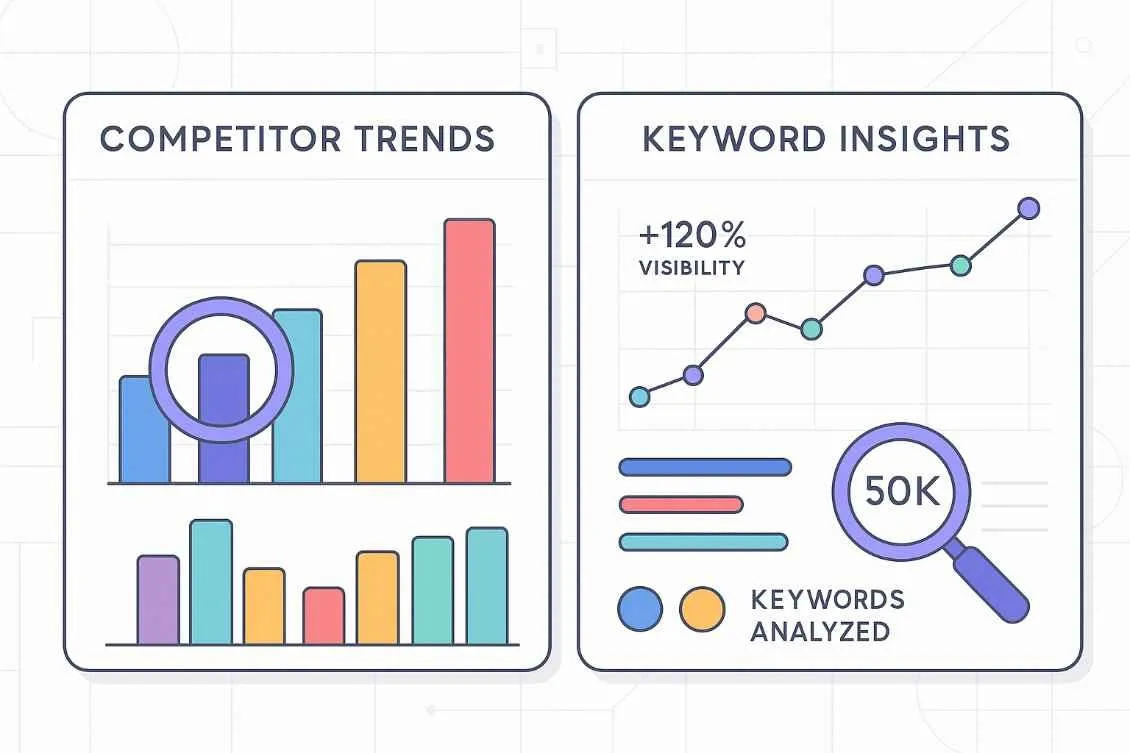
Manual keyword research can devour hours, yet AI tools can scan thousands of queries, judge intent, and benchmark competitors within minutes. Instead of poring over spreadsheets, you receive prioritised opportunities and can act immediately.
Streamlined Content Creation and Optimisation
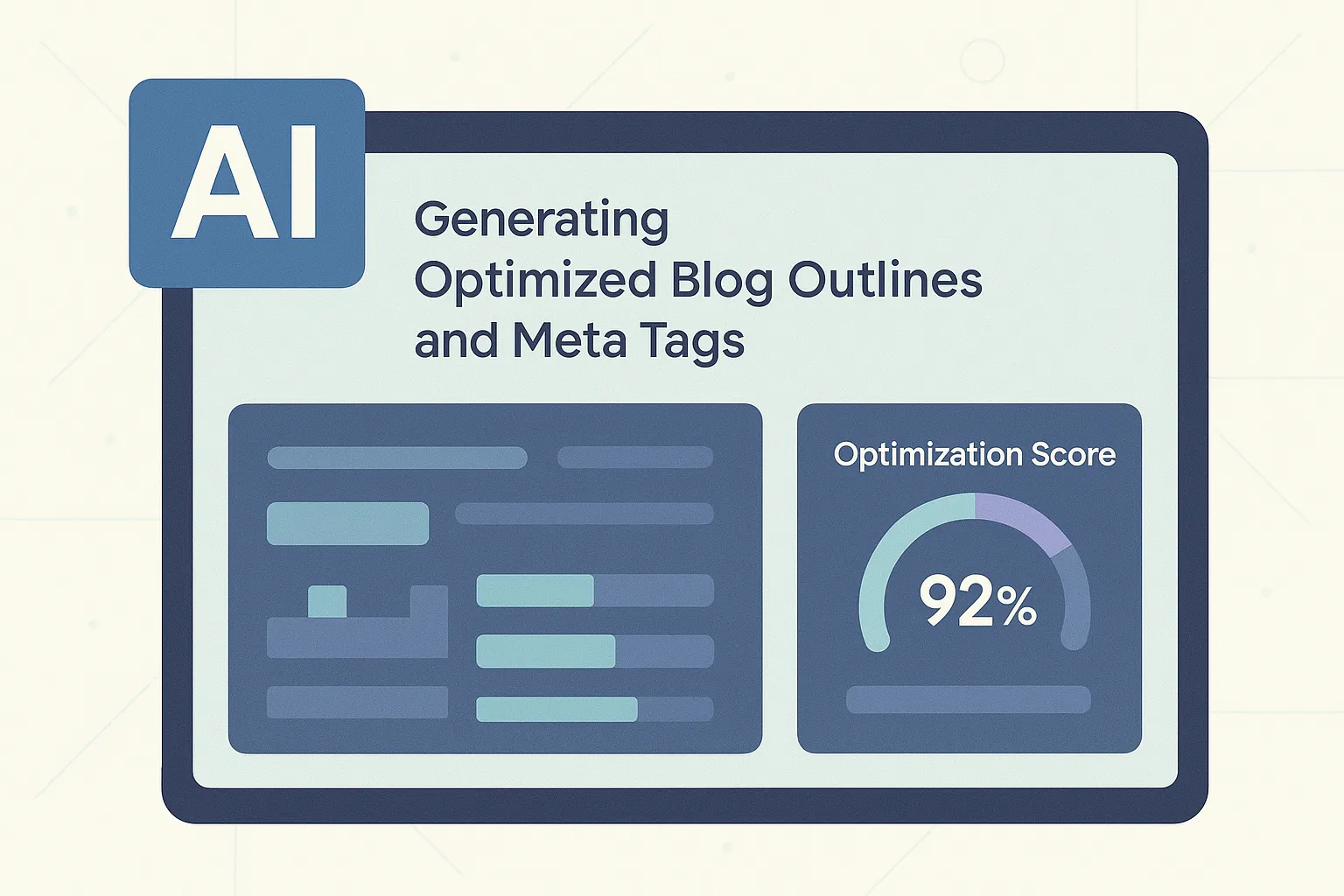
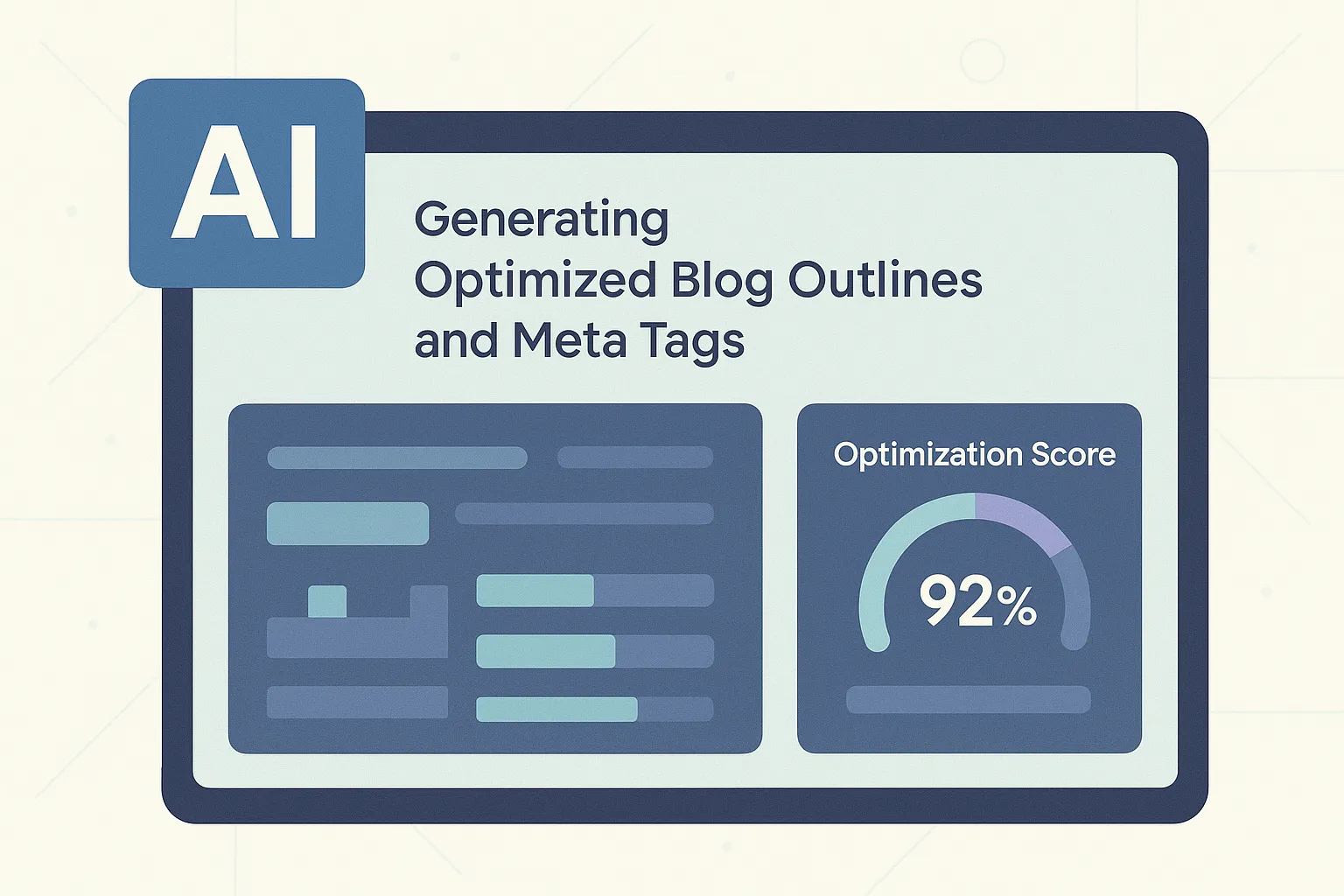
From idea generation to on-page adjustments, modern platforms guide each stage of content production. Surfer, for example, helps teams generate outlines, recommend semantic keywords, and optimise existing articles—enabling that 20-post-per-month success story with only a two-person crew.
Technical Audits and Internal Linking at Scale
Automated crawlers run on scheduled intervals, flagging broken links, misused canonical tags, or slow pages before search engines penalise you. Some systems even deploy new internal links automatically, strengthening site architecture without the usual manual work.
Tools and Technologies for SEO Automation
AI-powered solutions now cover virtually every corner of search optimisation:
• OTTO SEO: After adding a simple pixel, you can approve thousands of page-level fixes—title tags, meta descriptions, broken links, and more—directly from a dashboard. OTTO also handles backlink building, Google Business optimisations, and automated review responses. Case studies show a chiropractic clinic climbing from the bottom to the top of results in just three weeks and a restaurant equipment supplier doing the same in four.
• Surfer: Focused on content, Surfer helps small teams achieve enterprise-level publishing velocity by analysing SERP data, suggesting on-page improvements, and tracking ranking progress.
• Rankforge Ai: Designed to slot into existing stacks, Rankforge Ai follows the same “automation-first” philosophy by unifying keyword research, technical checks, and content recommendations under one roof.
Regardless of platform, seamless integration with your current analytics and CMS is essential. When reports, task lists, and approvals flow into familiar dashboards, adoption soars and resistance drops.
Practical Applications of SEO Automation
1. Keyword and Topic Discovery
Auto-generated topic clusters reveal emerging search demand, keeping your content pipeline fresh without weekly manual research.
2. Recurring Technical Audits
Scheduled crawls locate 404s, redirect chains, or slow-loading pages before they impact ranking or user experience. Approve the recommended fixes, and the tool executes them instantly.
3. Local SEO Management
Automated platforms update opening hours, answer Google Business Q&As, and even respond to reviews. Consistent, accurate local signals translate into higher map-pack visibility and more foot traffic.
Benefits and Efficiency Gains
• Time Savings
By automating ten revenue-generating workflows, agencies report freeing hundreds of hours each month. Those resources shift to strategy, client communication, and creative work that cannot be scripted.
• Data-Driven Decisions
Automation surfaces insights you might miss—ranking fluctuations, competitor surges, or thin-content alerts—giving you the intel to pivot quickly.
• Cost Reduction
Consolidating multiple point solutions into one automation suite slashes subscription fees and training costs. Teams run leaner while still delivering superior results.
• Faster Results
Real-world examples show sites vaulting to page-one visibility in as little as three to four weeks once automated fixes and optimisations go live.
Implementing SEO Automation in Your Strategy
1. Map Your Pain Points
List repetitive tasks: keyword research, rank tracking, technical audits, and content optimisation usually top the chart.
2. Select the Right Platform
Compare features, integration options, and approval workflows. Tools like OTTO SEO and Rankforge Ai eliminate much of the manual lift while still letting you vet changes before deployment.
3. Customise Automations
Every business is unique. Adjust crawl frequency, keyword thresholds, and alert triggers to align with your goals and internal capacity.
4. Monitor and Adjust
Automation is not “set-and-forget.” Review weekly reports, sanity-check changes, and refine settings to prevent data drift or unintended page edits.
Challenges and Considerations
• Human Oversight Remains Vital
Machines excel at scale but lack strategic intuition. Always review automated outputs to ensure brand voice, accuracy, and alignment with broader goals.
• Data Quality
An automation engine is only as good as its inputs. Verify that crawl data, search volumes, and competitor benchmarks are accurate before basing decisions on them.
• Integration Risks
If your CMS or analytics stack cannot communicate with the chosen tool, unexpected errors can slip through. Test connections thoroughly before full rollout.
• Creativity and Brand Voice
AI can draft copy, but keeping messaging unique and compelling still demands human creativity. Strike a balance between efficiency and originality.
Future Trends in SEO Automation
AI’s role in search optimisation is set to expand on several fronts:
• Real-Time Adaptation
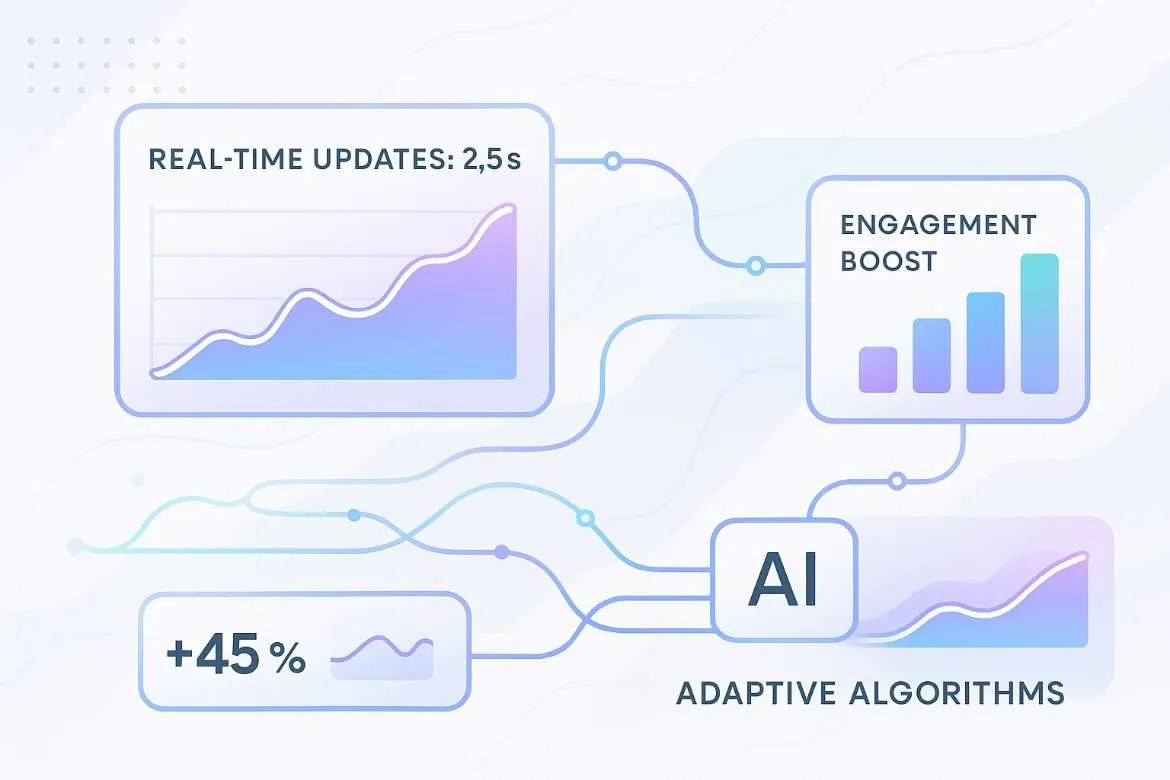
Algorithms will soon make on-the-fly adjustments to headings, internal links, and schema as SERP conditions shift—always with your approval.
• Holistic Experience Optimisation
Beyond keywords and rankings, future tools will automatically test layout, colour palette, even microcopy, aiming to boost engagement metrics Google increasingly values.
• Shorter Feedback Loops
As platforms like OTTO SEO demonstrate, weeks—not months—may become the new standard for climbing SERP positions once automated fixes roll out instantly.
The takeaway? Automation will continue reducing manual workloads, allowing teams to concentrate on higher-level strategy and creative differentiation.
Ready to streamline your SEO efforts with automation? Discover how Rankforge AI can help you create optimised articles that not only rank well on search engines but also engage your audience. Visit us at rankforgeai.247workforce.com to learn more!
FAQ
Q1. What is SEO automation?
SEO automation is the practice of using specialised software to handle repetitive optimisation tasks—such as keyword tracking, technical audits, and content tweaks—so you can focus on strategic decisions.
Q2. Can SEO be automated?
Yes, many elements can be automated, including keyword research, metadata updates, and broken-link fixes, but human oversight is still needed to guide strategy and maintain brand voice.
Q3. What is SEO automation AI?
SEO automation AI refers to platforms that use artificial intelligence to analyse data, suggest optimisations, and, once approved, implement changes at scale, speeding up results while maintaining quality.
Q4. How do I start integrating automation into my existing SEO workflow?
Begin by identifying your most time-consuming tasks, choose a tool that integrates with your CMS and analytics stack, customise settings to match your goals, and monitor results weekly.
Q5. What benefits can I expect from automated technical audits?
Automated audits run on a schedule, instantly flagging issues such as 404 errors or canonical mismatches so you can fix them before they hurt user experience or rankings.
Q6. Will automation replace the need for an SEO team?
No. Automation removes manual drudgery, but crafting strategy, producing unique content, and making nuanced decisions still require human expertise