Understand Your Websites Potential with a Comprehensive SEO Audit Guide
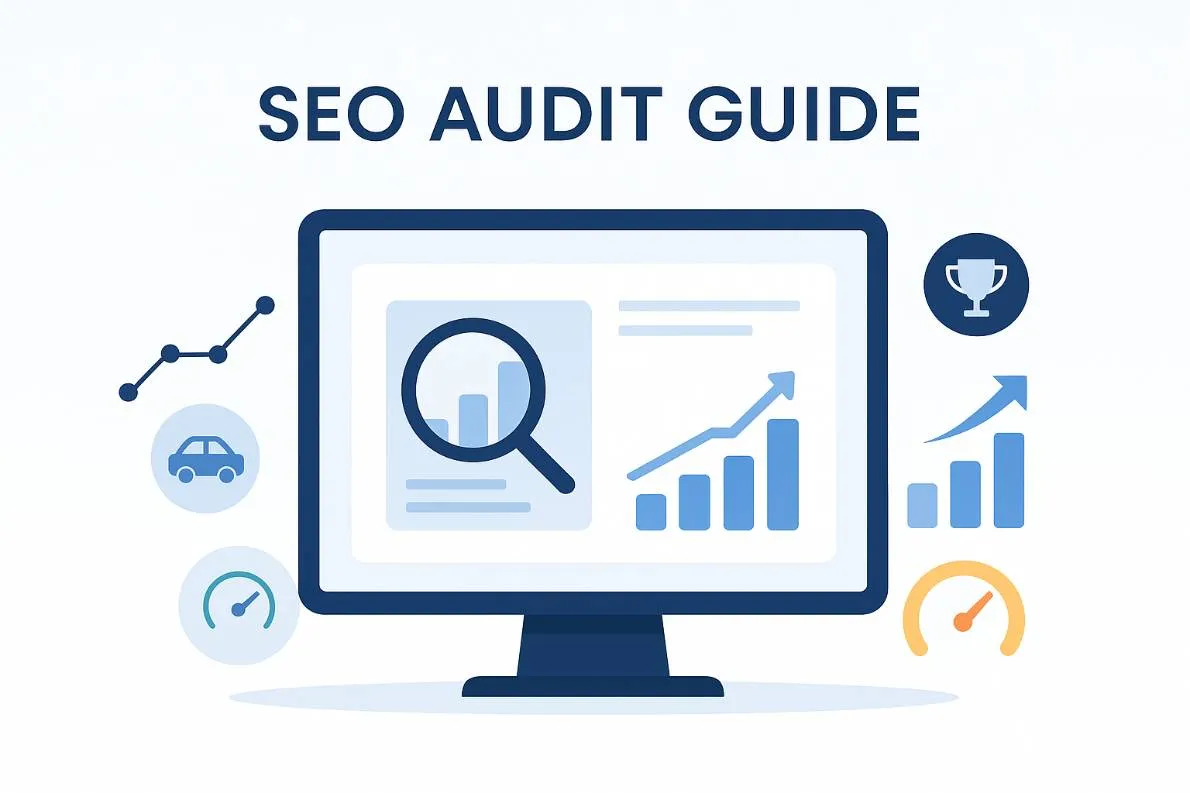
Your website may look good, but if search engines can't crawl, understand, or trust it, your visibility and revenue will drop. An SEO audit helps you identify what is blocking your organic growth and how to fix it quickly. This guide outlines each stage of a successful SEO audit, allowing you to make informed decisions, prioritise actions, and unlock untapped traffic.
Understanding SEO Audits
An SEO audit is a detailed review of your site's performance in search. It examines technical health, on-page relevance, content quality, and backlink strength. Think of it as a full service for your digital engine: you should check every component, and leave with a list of prioritised actions to improve your site's performance. Skipping an audit is like driving long distances without checking the oil; eventually, the engine will fail.
Why Run an Audit?
Identify factors that lower rankings, traffic, and conversions
Find quick wins that provide immediate improvements
Discover deeper structural issues before they lead to Google penalties
Benchmark against competitors and identify keyword or backlink gaps
Maximise the return on every pound you invest in optimisation
Key Elements Examined
Technical SEO: broken links, crawl errors, XML sitemaps, robots.txt, mobile usability, HTTPS implementation
On-Page SEO: title tags, meta descriptions, header hierarchy, internal linking, and structured data
Content Quality: uniqueness, user intent match, and depth of coverage
Backlinks: volume, authority, and toxicity of incoming links
When done correctly, the SEO audit provides actionable insights you can address in a sensible order. This avoids overwhelming teams with large spreadsheets and unclear priorities.
Components of an SEO Audit
A thorough SEO audit breaks down into three main components, each focusing on specific ranking signals.
Technical SEO Audit
The technical review looks at code and infrastructure issues that block crawler access or hinder user experience. Typical checks include:
Broken internal and external links
Crawl errors flagged in Search Console
Page speed issues and uncompressed assets
Mobile responsiveness across common devices
XML sitemap accuracy and submission status
Robots.txt directives that accidentally block valuable pages
SSL certificates, mixed-content warnings, and 301 redirects after HTTP to HTTPS migrations
On-Page SEO Audit
This section focuses on how each page communicates relevance:
Optimisation of title tags and meta descriptions for primary keywords
Proper use of H1–H6 headers to signal hierarchy
Descriptive, keyword-focused URLs
Alt text on images and appropriate media sizes
Internal linking that distributes authority logically and prevents orphan pages
Off-Page SEO Audit
Your link profile is a key ranking factor. The audit evaluates:
Domain and page authority of referring sites
Anchor text distribution to identify over-optimisation
Toxic or spammy links that risk penalties
Opportunities to earn authoritative backlinks where competitors already rank
Many specialists use a 270-point checklist to ensure nothing is overlooked.
Technical SEO Considerations
Page Speed
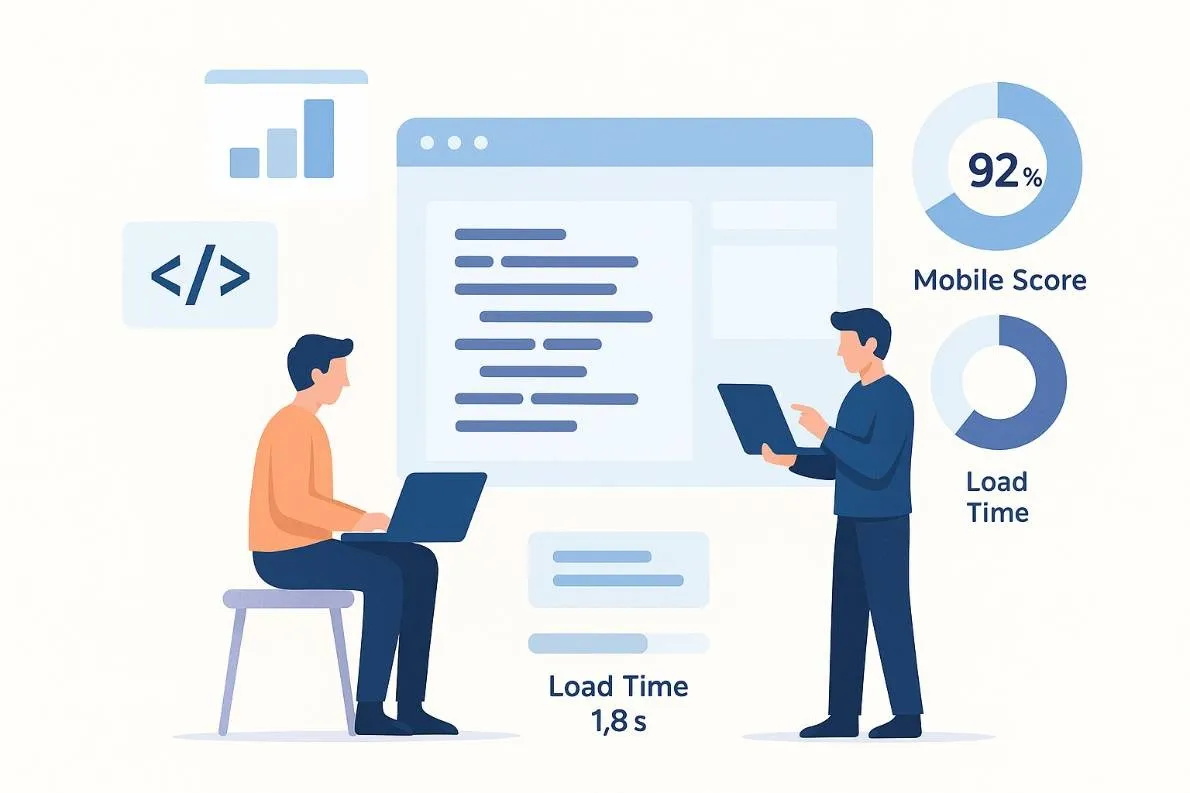
Slow pages frustrate users and hurt rankings. Compress images, leverage browser caching, and minify CSS/JS to improve load times. Tools like Rankforge Ai can identify specific assets causing delays.
Mobile Responsiveness
With most searches happening on phones, Google’s mobile-first indexing examines your responsive design. Test Core Web Vitals on real devices, not just emulators, and fix layout shifts, tap-target sizes, and viewport settings.
Site Structure
A clear hierarchy helps both crawlers and visitors. Group related pages into logical silos, keep click depth shallow, and ensure breadcrumb navigation accurately reflects structure. Redirect or consolidate thin pages to prevent index bloat.
Crawl Statistics, Sitemaps, and Robots.txt
Ensure crawlers can access every high-value URL. Remove 404s or chains of redirects from your XML sitemap, and double-check robots.txt rules for accidental disallow directives. Regular maintenance keeps crawl budgets focused on revenue pages.
Security and HTTPS
Search engines flag unsecured sites. Install SSL certificates correctly, enforce HTTPS via 301 redirects, and fix any mixed-content resources that still call HTTP.
Content and Keyword Analysis
Content Audit
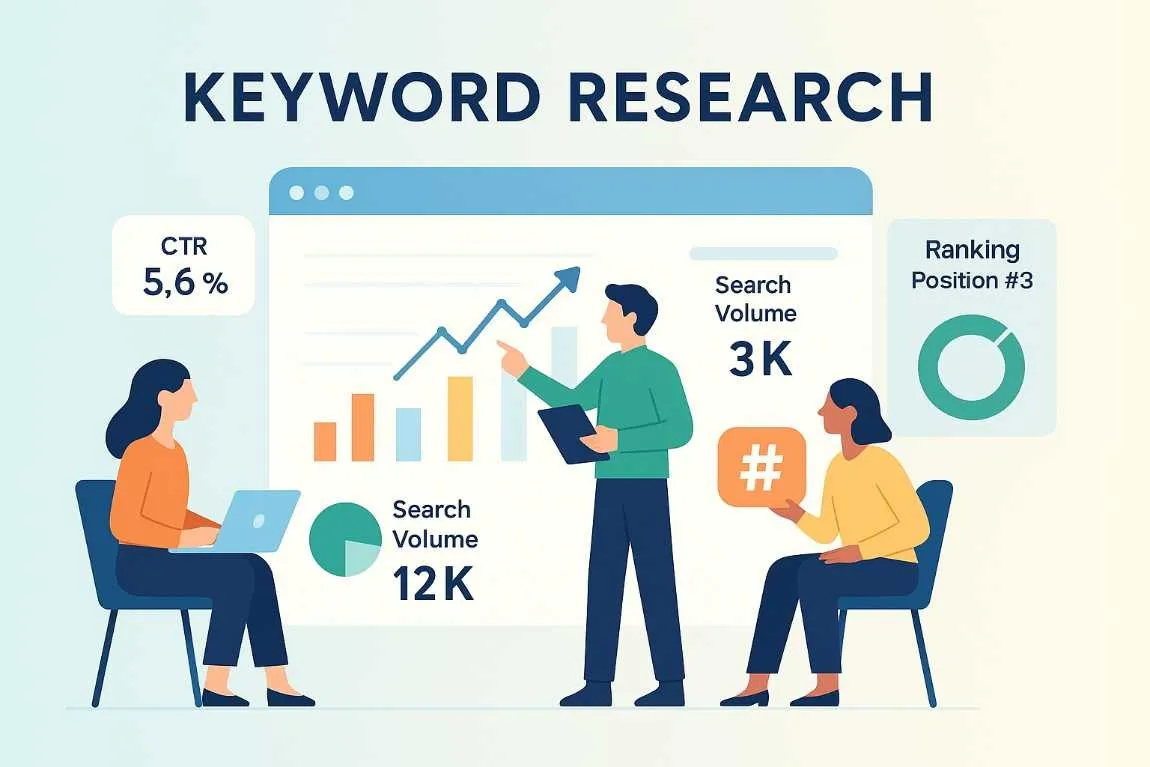
Even well-coded pages fail if the content is thin, duplicated, or irrelevant. An SEO audit reviews each piece for uniqueness, topical depth, and user intent. Poor-performing articles should be reworked, merged, or retired.
Keyword Re-Analysis
Markets and search patterns change. Use the audit to confirm if you still target the right phrases and discover new keyword ideas. Competitive and keyword gap analysis highlights terms your rivals dominate, providing material for future content.
Spotting Content Gaps
Comparing your existing assets against the buyer journey can reveal missing guides, FAQs, or case studies. Filling these gaps boosts discoverability and nurtures visitors further down the funnel.
On-Page Optimisation
With updated keywords, adjust title tags, meta descriptions, and header structures. Strengthen internal linking so authority flows naturally to newly optimised pages.
Identifying and Resolving Issues
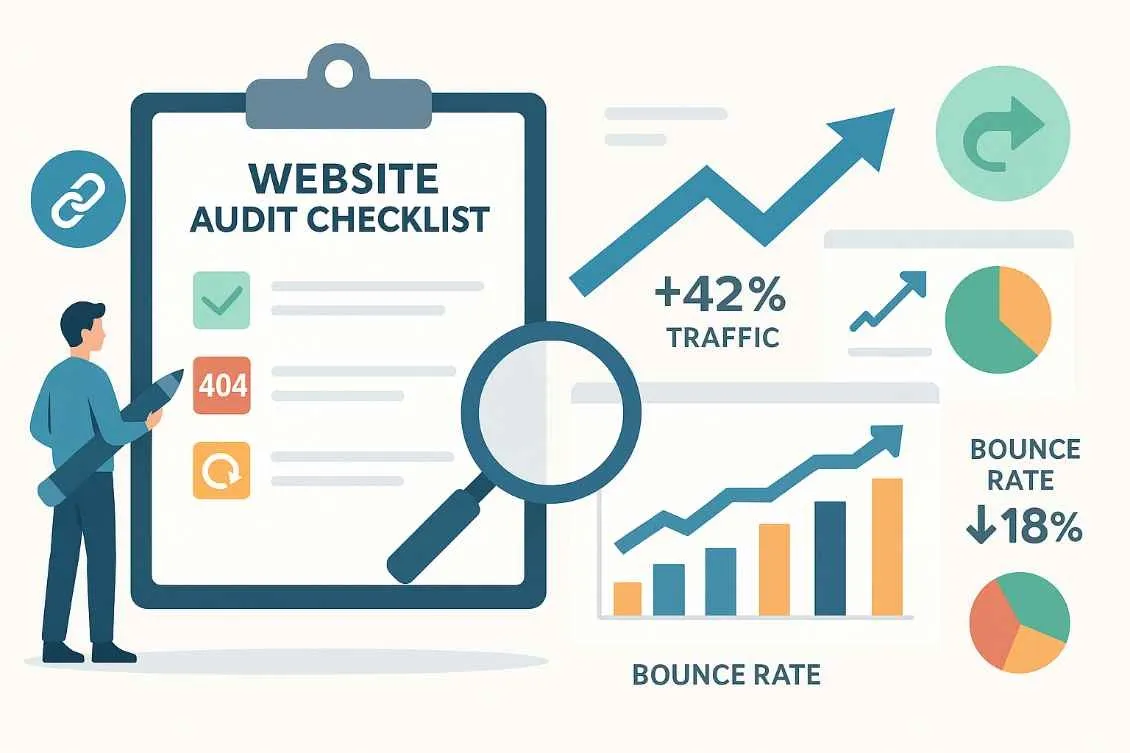
Google Penalty Detection
Sudden traffic drops may indicate a manual or algorithmic penalty. The audit checks Search Console for messages, analyses backlink spikes, and reviews content for over-optimisation. If a penalty exists, you will receive a step-by-step recovery plan: remove toxic links, submit reconsideration requests, or improve thin content.
Architecture and Code Review
Bloated code, excessive plugins, or outdated frameworks can slow browsing and dilute relevance signals. The audit recommends code clean-up, modern frameworks, or server-level caching to improve delivery.
Actionable Recommendations
A quality SEO audit provides a prioritised to-do list with estimated impact and difficulty. Common fixes include:
Replace 302 redirects with 301s for permanent moves
Compress and serve next-gen image formats
Add missing alt attributes and schema markup
Redirect 404 pages with inbound links
Disavow confirmed toxic backlinks
Following these steps systematically prevents overwhelm and ensures steady ranking gains.
Reporting and Implementation
Detailed Audit Report
Expect a comprehensive document outlining every issue, the evidence behind it, and recommended fixes. Visual scoring charts help non-technical stakeholders grasp priorities quickly.
Implementation Support
Even the best report needs execution. Reliable agencies or in-house teams guide developers and content writers through each fix, retesting once changes go live to confirm success.
Regular Audit Cadence
Search algorithms, competitor tactics, and your site evolve constantly. Schedule an SEO audit every three to six months to catch new issues early and maintain performance.
Typical Workflow
Submit website details, target keywords, and focus areas.
Receive a full website analysis covering technical, on-page, speed, content, and backlinks.
Review competitor and keyword gap findings to identify new growth opportunities.
Implement the prioritised action plan, measuring impact through Search Console and analytics.
Repeat the process in subsequent quarters, refining strategy with each iteration.
By embedding the audit cycle into your digital operations, you can safeguard rankings and stay ahead of algorithm updates.
Putting It All Together
A robust SEO audit uncovers hidden obstacles that hinder growth and provides a clear, data-driven roadmap to higher rankings, better user experience, and increased revenue. Whether you conduct the audit internally, use Rankforge Ai’s diagnostics, or partner with a specialist, the key is to act on the insights quickly and revisit them regularly. Doing so makes organic search a reliable asset for your business.
Frequently Asked Questions
Q1. What is an SEO audit?
An SEO audit is a comprehensive examination of your website’s technical setup, on-page elements, content quality, and backlink profile to identify factors that limit search visibility and provide actionable fixes.
Q2. What is an SEO audit report?
The SEO audit report is the document you receive after analysis, detailing every issue found, why it matters, and a prioritised action plan that guides developers, marketers, and writers through remediation.
Q3. How do I implement audit recommendations without technical staff?
Prioritise fixes that require no coding first, such as updating meta descriptions or disavowing toxic links. For technical tasks like redirect mapping or sitemap repairs, hire a freelance developer or engage an agency while you oversee progress against the audit checklist.
Q4. Will a full SEO audit deliver better results than using isolated optimisation tools?
Yes. Stand-alone tools flag individual problems, while a holistic SEO audit connects technical, content, and off-page insights, ensuring changes work together for maximum ranking impact.
Q5. How can I tell if my site is suffering from a Google penalty?
Look for sudden organic traffic drops, messages in Search Console, or noticeable ranking declines for branded terms. An SEO audit checks these signals, analyses backlink spikes, and content issues to confirm whether a penalty exists and outlines recovery steps.
Q6. What does an SEO audit typically cost?
Pricing varies with site size and complexity but usually ranges from a few hundred pounds for a basic review to several thousand for enterprise-level audits that include implementation support and follow-up testing.
If you're facing traffic drops or unexpected ranking changes, an SEO audit can be your first step to recovery. Let Rankforge AI help you create optimised content that addresses these issues and attracts more visitors. Visit us at rankforgeai.247-workforce.com to learn more.