Master AI with the Ultimate Blog Generator to Create Impactful Content Effortlessly

The pressure to publish fresh, optimised content never lets up. Competition for search rankings and customer attention is fierce, yet time and resources are limited. A modern blog generator powered by artificial intelligence steps in as your silent partner, transforming the way you plan, write and refine posts. By understanding how these tools work, the technologies that drive them and the best ways to apply them, you can unlock a steady flow of engaging articles that support your wider SEO strategy.
Demystifying AI-Driven Blog Generators
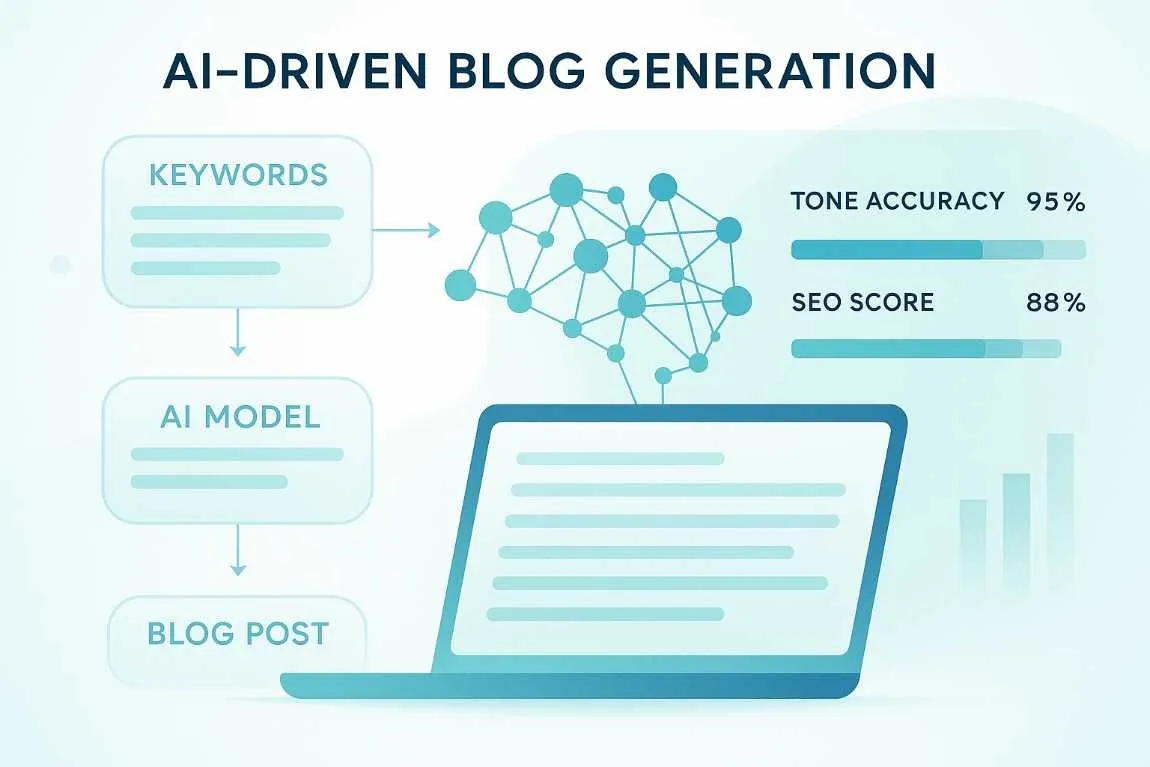
At the heart of every leading blog generator lies Natural Language Processing. NLP allows software to read, interpret and compose sentences that sound convincingly human. The process starts with tokenisation—splitting paragraphs into individual words and phrases. Dependency parsing then maps how those words relate to one another, while sentiment analysis gauges the tone a passage conveys. Coreference resolution spots when “it”, “she” and “the company” all reference the same entity, keeping narratives coherent.
These linguistic insights feed deep learning models such as Recurrent Neural Networks (RNNs), Convolutional Neural Networks (CNNs) and, increasingly, the BERT family of transformer models. RNNs handle word sequences, remembering what came before to craft logical sentences. CNNs pick out local patterns—useful for keyword placement—while transformers focus on broader context so whole paragraphs flow naturally.
From your perspective the workflow is refreshingly straightforward:
Pinpoint your main topic, primary keyword and any secondary phrases.
Open your chosen blog generator interface.
Enter those keywords, add tone or length preferences and hit generate.
Review the draft for factual accuracy and brand voice.
Edit, enrich with internal links or unique insights, then publish.
Avoid the trap of copying text verbatim. Your expertise and brand personality turn a good AI draft into a standout post.
Core Technologies Powering Today’s Blog Generators
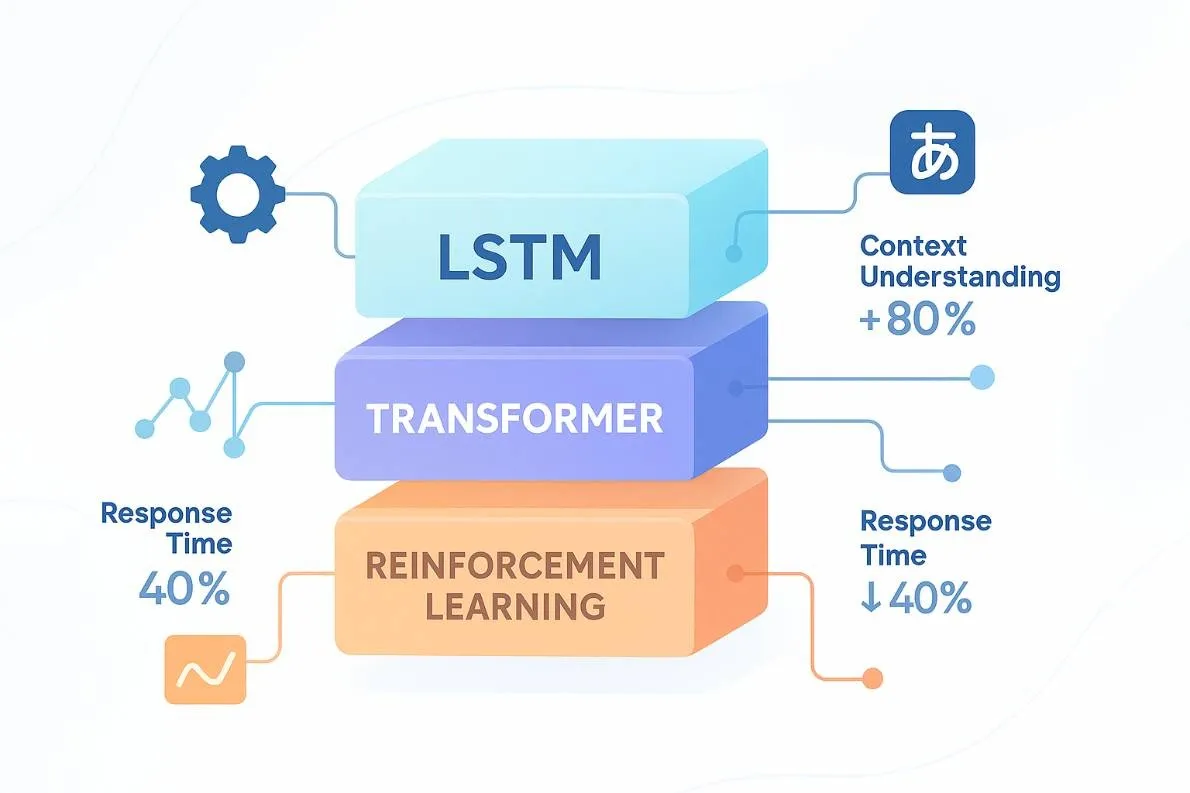
While the result might look magical, several well-honed technologies combine behind the scenes:
• Long Short-Term Memory networks (a specialised form of RNN) remember dependencies across lengthy passages, crucial for weaving introductions, body sections and conclusions into a single narrative.
• Transformer architectures examine every word in relation to every other word simultaneously. This broad perspective dramatically improves context understanding, reducing the jarring transitions early AI writing tools often displayed.
• Reinforcement learning fine-tunes output by rewarding desirable traits—clarity, factuality, SEO alignment—during model training. Over time the blog generator learns to deliver drafts closer to your ideal style.
• Pre-trained language models ingest billions of web pages, books and articles before you ever log in. Because the heavy lifting is done in advance, your queries produce usable copy in seconds rather than hours.
These advances mean a modern blog generator can draft a 1,000-word article that already includes subheadings, call-outs and keyword-rich phrases, giving you a near-finished masterpiece in record time.
Why Your Business Will Benefit
Speed is the obvious advantage, but a sophisticated blog generator offers much more:
• Faster onboarding and domain adaptation – Pre-trained models quickly learn your niche jargon with minimal new data, allowing immediate productivity even in specialist sectors.
• Consistent brand voice – Custom style settings let you dictate formality, persona and preferred vocabulary so every post sounds unmistakably “you”.
• Creative momentum – When writer’s block strikes, auto-generated snippets rekindle ideas and keep deadlines on track.
• Scalable content operations – Whether you need one post a week or a dozen articles a day, a blog generator easily expands output without hiring extra writers.
• Resource allocation – Free up senior staff for thought leadership pieces while the AI covers routine topics, testimonials or product updates.
Remember to run each draft through human editing. Fine-tuning word choice, adding unique experience and ensuring compliance with regulation will elevate AI content while safeguarding reputation.
Turning Ideas Into Headlines With AI Assistance
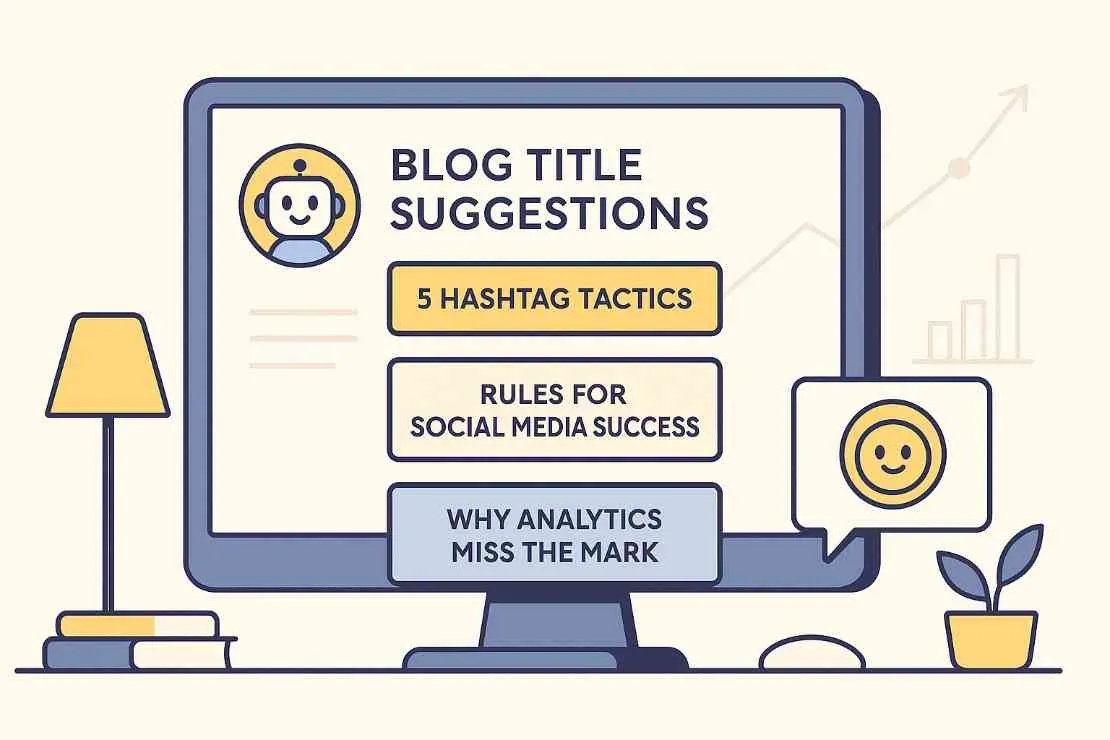
An empty content calendar is every marketer’s headache. Blog idea generators—often built into broader blog generator platforms—tear down the blank-page barrier.
Simply choose your language, type up to five nouns plus a primary keyword, and press generate. Within moments you’ll see a list of angles, titles or question formats ready to explore. Enter “analytics, dashboard, marketing” with the keyword “Facebook hashtags” and the tool might suggest:
• “Five Facebook Hashtag Tactics That Double Dashboard Engagement”
• “Why Marketing Analytics Miss the Mark Without Branded Hashtags”
• “Dashboard Data: The Silent Partner in Viral Hashtag Campaigns”
Tools from platforms such as Hootsuite illustrate how quick and intuitive this inspiration stage becomes. Instead of losing an afternoon brainstorming, you secure a pipeline of SEO-friendly ideas in minutes.
Real-World Use Cases That Drive Results
You are not limited to drafting blog posts. Forward-thinking firms weave a blog generator into an ecosystem of AI utilities:
• Hyper-personalised articles – Feed subscriber data into the model to create tailored advice pieces for each customer segment.
• Designer support – Graphic teams pair AI-generated copy with layout suggestions to speed up infographic or brochure production.
• Email series and landing pages – Maintain a uniform theme across campaigns by refactoring AI-created blog content into shorter formats.
• Multilingual expansion – Generate source articles in English, then run additional passes for German, French or Spanish versions, preserving intent while widening reach.
Rankforge Ai users, for instance, routinely convert cornerstone blog posts into complete content clusters—pillar page, social snippets and newsletter copy—without starting each element from scratch.
Practical tips maximise effectiveness:
Begin with a crystal-clear brief. Ambiguous prompts yield generic output.
Cross-check facts, statistics and compliance requirements. AI is brilliant at language, less so at due diligence.
Blend machine efficiency with human storytelling for authenticity and trust.
Future Trends and Performance Optimisation

The pace of innovation suggests the blog generator you deploy today will look primitive in two years. Key developments to watch include:
• Continual learning loops – Models that refine themselves on your published articles will narrow the gap between AI drafts and final edits.
• Multimedia synergy – Expect AI that drafts copy while simultaneously proposing image layouts, alt tags and even short-form video scripts.
• Edge deployment – Lightweight versions running locally or on private clouds will satisfy businesses with stringent data-sovereignty demands.
Meanwhile you can implement performance gains now:
• Audit output quality metrics—readability scores, time-on-page, conversion data—and feed insights back into prompt engineering.
• Leverage NLP features such as semantic role labelling to flag weak verbs or unclear antecedents for swift correction.
• Schedule quarterly updates of your brand glossary and tone guides so the generator mirrors evolving messaging perfectly.
Above all, commit to continual experimentation. AI writing is not a set-and-forget plugin; it flourishes when nurtured by marketers who embrace new possibilities.
The Road Ahead
A cutting-edge blog generator won’t replace strategic thinking or deep subject matter expertise, yet it acts as a force multiplier for those assets. By automating groundwork, suggesting angles and drafting coherent text, AI frees you to focus on differentiation, thought leadership and client relationships. Adopt the technology thoughtfully, polish its output diligently and you will outpace competitors still shackled to traditional writing workflows.
Frequently Asked Questions
Q1. What is blog generator?
A blog generator is software that uses artificial intelligence to draft blog posts automatically. It analyses your keywords and instructions, then produces coherent, readable content you can edit and publish.
Q2. What is blog generator AI?
Blog generator AI refers to the natural language processing and deep learning models—such as transformers and RNNs—that power modern content tools. These algorithms understand context, maintain flow and insert keywords naturally to create publish-ready articles.
Q3. How do I integrate a blog generator into my existing content process?
Start by identifying topics and SEO targets, run them through the generator for draft copy, then have your team refine tone, add insights and verify data before scheduling posts. This hybrid workflow keeps quality high while cutting production time dramatically.
Q4. Does an AI blog generator offer advantages over hiring additional writers?
Yes. It scales output instantly, maintains consistent voice and costs a fraction of ongoing salaries. Human writers remain essential for originality and expertise, but AI handles repetitive or lower-value drafts efficiently.
Q5. The generated text sometimes feels generic—what can I do?
Provide more detailed prompts, include brand guidelines and add unique data or anecdotes during editing. Reinforcement techniques, such as saving preferred outputs for future reference, also nudge the model towards your desired style.
Q6. How much does a quality blog generator cost?
Pricing varies from free idea-generation tools to comprehensive platforms charging monthly subscriptions based on word count or user seats. Weigh features like custom style profiles, multilingual support and API access against your budget to choose the best fit.
Ready to elevate your content creation process? Discover how Rankforge AI can help you generate professional articles that not only capture attention but also rank well in search results—visit us at rankforgeai.247-workforce.com to learn more!